
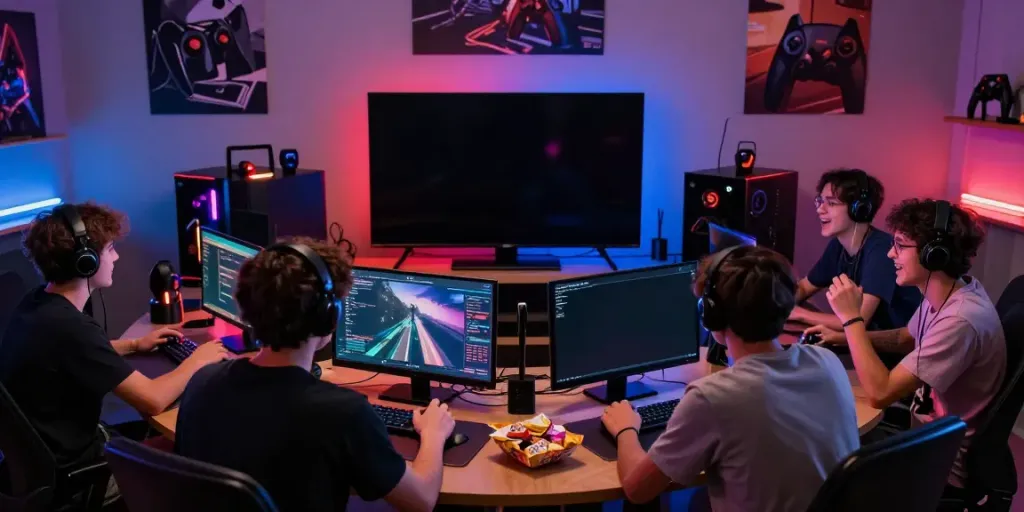
Understanding the Creative Process Behind Games
The world of gaming is not merely about gameplay mechanics or graphics; it is an intersection of art, technology, and storytelling. Understanding the creative process behind games allows us to appreciate the laborious journey from concept to completion. Each game carries the distinct fingerprints of its creators, showcasing inspiration drawn from diverse sources. When exploring options, rokok88 provides comprehensive insights into how these elements converge to craft memorable gaming experiences.
What Inspires Game Development?
Game development often begins with a spark of inspiration. This can come from a wide variety of sources such as personal experiences, cultural narratives, or even other forms of media like books and films. For instance, many fantasy games draw heavily from mythology and folklore, creating worlds enriched with historical depth and narrative complexity. The key to harnessing this inspiration lies in the ability to translate abstract ideas into playable experiences, which often necessitates extensive brainstorming and prototyping.
The Role of Technology in Game Creation
Technology serves as the backbone of game development, enabling creators to innovate in ways that were previously unimaginable. With advancements in graphics engines, artificial intelligence, and virtual reality, developers can push the envelope of what is possible within a game. For example, Unreal Engine and Unity have democratized game development, allowing indie developers to create visually stunning experiences without the need for large teams or budgets. The integration of new technologies is crucial not only for enhancing gameplay but also for crafting immersive narratives that resonate with players on a deeper level.
Key Elements of Game Design: Creativity and Innovation
At the heart of game design lies a delicate balance between creativity and innovation. While creativity often involves generating unique ideas and concepts, innovation is about implementing these ideas in a way that enhances the user's experience. Successful games often employ innovative mechanics that challenge conventional gameplay paradigms. For instance, games like "Portal" introduced unique puzzle mechanics that utilized the game's physics engine in clever ways, creating a fresh experience that captivated players and inspired countless imitators.
Trends Shaping the Future of Gaming in 2026
As we look forward, several key trends are emerging that are set to redefine the gaming landscape in 2026. With the rapid evolution of technology and changing player demographics, understanding these trends is vital for developers and gamers alike.
Emerging Technologies Impacting Gameplay
The integration of technologies such as augmented reality (AR) and artificial intelligence (AI) is changing how games are played and developed. AR, for example, merges the digital and physical worlds, allowing players to interact with their environments in new ways. Games like "Pokémon GO" have already shown the potential for AR to engage players, and upcoming titles are expected to push these boundaries even further. AI is also playing an increasingly prominent role, offering personalized gaming experiences tailored to individual player behaviors and preferences.
Audience Engagement and Community Building
In 2026, the importance of community in gaming is more significant than ever. Developers are focusing on building platforms that foster interaction among players, creating vibrant online communities. Social features, such as integrated streaming, multiplayer experiences, and forums within games, enhance the sense of connection players feel. Engaging with audiences through feedback and content updates also assists developers in nurturing these communities, leading to sustained interest and loyalty towards games.
Market Trends: Revenue Streams in the Gaming Industry
The gaming industry is evolving in terms of revenue generation, with traditional sales models shifting toward subscription services and in-game purchases. Platforms like Xbox Game Pass and PlayStation Now offer players access to a library of games for a monthly fee, changing consumer behavior and expectations around game ownership. Additionally, microtransactions and downloadable content (DLC) have proven lucrative for developers, enabling ongoing revenue from established titles while enhancing player engagement.
Challenges in the Gaming Industry Today
Despite the exciting innovations on the horizon, the gaming industry faces several challenges that could hinder its growth and development. Identifying these challenges is crucial for stakeholders aiming to navigate this dynamic landscape effectively.
Addressing Game Development Challenges
One of the most pressing issues is the increasing complexity of game development. As games become more sophisticated, the resources—both in terms of time and financial investment—required to produce them also rise. Developers often work under tight deadlines and with limited budgets, leading to crunch periods that can affect creativity and overall product quality. Addressing these challenges involves improving workflows, adopting agile methodologies, and ensuring proper resource allocation throughout the development process.
Common Misconceptions About Gaming
Misconceptions about the gaming industry persist, stemming from societal stereotypes and outdated views of gamers. The narrative that gaming is solely an escape or that gamers lack social skills fails to acknowledge the vast diversity within gaming culture. Data shows that millions engage with games as a form of social interaction and creative expression. Education on the positive impacts of gaming—such as teamwork, strategic thinking, and problem-solving skills—can help dispel these myths.
Strategies to Overcome Industry Obstacles
To successfully tackle the challenges facing the industry, stakeholders can adopt various strategies. Collaborative partnerships, for instance, can streamline resources and knowledge sharing between studios. Emphasizing mental health and work-life balance within development teams can also mitigate burnout and enhance productivity. Furthermore, investing in community outreach and education can foster a more inclusive environment that embraces the multifaceted nature of gaming.
Best Practices for Gamers and Developers
For both gamers and developers, understanding best practices can lead to richer experiences and successful projects. Continuous learning and adaptation are vital in this rapidly evolving industry.
Creating Engaging Game Experiences
Game developers should prioritize player engagement by designing experiences that resonate with their audiences. This includes crafting compelling narratives, intuitive controls, and rewarding gameplay mechanics. Involving players during the testing phase through beta tests or focus groups can provide invaluable insights, helping to refine the overall experience before launch.
Maximizing Community Interaction
For gamers, actively participating in community discussions, sharing feedback, and engaging with developers can enhance their gaming experience. Communities thrive on interaction, and strong relationships can lead to better support from developers, fostering a sense of belonging among players. Gamers should consider joining forums or social media groups centered around their favorite games to share experiences and strategies.
Developing Games with User Feedback in Mind
Feedback is essential for game improvement. Developers must create channels through which players can share their thoughts and suggestions post-launch. Implementing user feedback not only enhances game quality but also strengthens community ties as players feel their voices are heard and valued. Continuous updates based on player input can lead to sustained engagement and a loyal player base.
Looking Ahead: The Future Landscape of Gaming
The gaming landscape is poised for exciting transformations. As technology evolves and player expectations shift, developers must remain agile and innovative.
Predictions for Gaming Innovations
Looking ahead, we can expect innovations such as deeper integration of virtual reality (VR) and the use of blockchain technology. These advancements promise to enhance immersion, introduce new gameplay mechanics, and even provide solutions for secure transactions in gaming environments. Additionally, we will likely see a rise in cross-platform gaming, allowing players to connect regardless of the device they use.
How rokok88 Can Lead the Way
By embracing these trends and challenges, platforms like rokok88 can position themselves at the forefront of the gaming revolution. Focusing on community engagement, harnessing emerging technologies, and prioritizing quality content will be key in cultivating a loyal and active player base. Adaptation and innovation will be crucial for maintaining relevance in an ever-changing market.
Preparing for Industry Changes in 2026 and Beyond
As we inch closer to 2026, the ability to adapt to changes will be paramount. Developers should invest in research and development, staying ahead of emerging trends and player demands. Engaging with players through surveys and feedback can provide insights into what the community desires in future releases.
What Are the Key Metrics for Success?
Success in the gaming industry is multifaceted. Key metrics include player retention rates, community engagement levels, and overall satisfaction surveys. Developers should also monitor sales figures alongside in-game metrics to understand player behavior better and adjust their strategies accordingly.
What Strategies Should Gamers Adopt for Success?
For gamers to maximize their experience, they should seek to explore a variety of games across genres and platforms. Engaging with different communities can introduce them to new insights and strategies, enriching their overall gaming skills. Additionally, staying abreast of industry trends can help players understand what to expect and how to optimize their gaming experiences accordingly.
How Can Developers Foster Stronger User Communities?
Developers can foster stronger user communities by creating platforms for communication and interaction. This includes forums, Discord servers, and social media presence that encourages dialogue and feedback. Additionally, hosting regular events or competitions can strengthen community bonds and enhance player engagement.
What Are the Emerging Trends in Game Monetization?
Game monetization is evolving, with trends towards battle passes, seasonal content, and subscription models expected to dominate. Understanding player preferences regarding monetization can help developers design revenue systems that not only sustain their businesses but also respect player investment in a game.
What Role Will Virtual Reality Play in Future Gaming?
Virtual reality is set to revolutionize the way players experience games by providing immersive environments that simulate real-world interactions. As VR technology becomes more affordable and accessible, its integration into mainstream gaming is likely to increase, catering to a growing number of enthusiasts seeking novel experiences.