

Understanding Mental Health
Mental health is a critical aspect of overall well-being that often gets overshadowed by physical health concerns. In a world where the demands of daily life can lead to stress and anxiety, a solid understanding of mental health is essential for everyone. Not just a concern for those experiencing mental illnesses, mental health affects how we think, feel, and interact with others. The recognition of its importance has led to a growing body of resources, such as rokok88 super, which aim to educate and empower individuals across all generations about mental wellness.
What is Mental Health?
Mental health encompasses our emotional, psychological, and social well-being. It influences how we think, feel, and behave in our daily lives. From simple stress management strategies to complex mental health conditions, understanding this concept is vital. Good mental health helps us handle the stresses of life, relate to others, and make choices that enhance our quality of life.
Importance of Mental Health Compared to Physical Health
Both mental and physical health are equally important for total wellness. Poor mental health can lead to decreased productivity, relationship issues, and various physical health problems, such as heart disease and diabetes. The interplay between mental and physical health highlights the need for a holistic approach to wellness.
Studies have demonstrated that individuals who maintain good mental health tend to have a more robust immune response, lower morbidity rates, and increased longevity. Thus, investing time and resources into mental health is just as critical as focusing on physical health.
Common Misconceptions about Mental Health
Several myths surrounding mental health can hinder understanding and acceptance. For instance, many believe that mental health issues are rare or only affect certain types of people. In reality, mental health disorders are prevalent across all demographics. Additionally, there is often a stigma attached to seeking help, which can prevent individuals from getting the support they need. Addressing these misconceptions is vital for fostering an inclusive environment where mental health is openly discussed and prioritized.
Daily Habits for Enhanced Well-Being
The journey to enhancing mental health often begins with adopting daily habits that promote well-being. Small changes can lead to significant improvements in emotional resilience and stress management. By integrating positive practices into everyday life, individuals can cultivate a stable mental state that supports their overall health.
Positive Practices to Support Mental Health
Implementing positive practices can significantly impact mental health. Here are a few effective strategies:
- Gratitude Journaling: Taking time each day to reflect on and write down things you are grateful for can shift your mindset toward positivity.
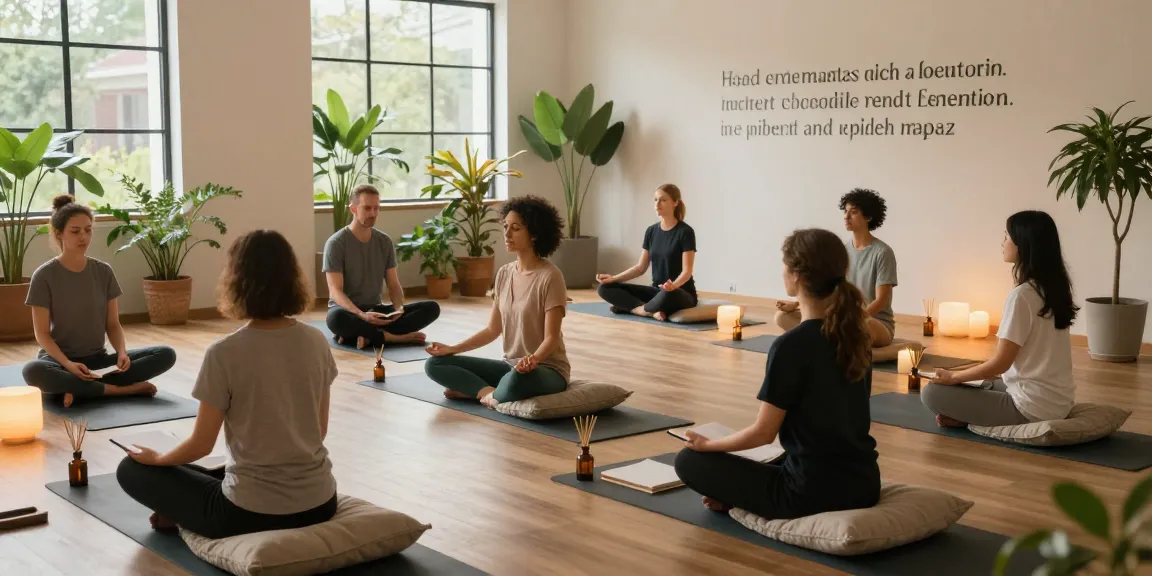
- Mindfulness Meditation: Regular mindfulness practices help reduce anxiety and stress, allowing individuals to remain present and focused.
- Social Connections: Engaging with friends and family can improve mood and provide essential support, reinforcing the idea that no one is alone in their struggles.
The Role of Exercise in Mental Wellness
Physical activity is not only beneficial for physical health but also plays a crucial role in enhancing mental wellness. Regular exercise stimulates the production of endorphins, chemicals that improve mood and promote relaxation. Whether it’s through a structured workout or a casual walk, incorporating movement into your routine can significantly boost mental health.
Mindful Eating: Nutrition for a Healthy Mind
What we consume has a direct effect on our mental health. A balanced diet rich in fruits, vegetables, whole grains, and lean proteins can improve mood and cognitive function. It’s essential to avoid excessive sugar and processed foods, which can contribute to mood swings and fatigue. Mindful eating practices—paying attention to what and how we eat—further enhance this approach, encouraging individuals to nourish their bodies while also considering their mental health.
Recognizing Signs of Mental Exhaustion
Burnout and mental exhaustion are common issues in our fast-paced world, often overlooked until they reach a critical point. Recognizing the symptoms early can lead to more effective management strategies and a healthier lifestyle overall.
Identifying Symptoms of Mental Fatigue
Common signs of mental exhaustion include:
- Fatigue: Experiencing chronic tiredness that doesn’t improve with rest.
- Difficulty Concentrating: Struggling to focus on tasks or feeling mentally foggy.
- Emotional Instability: Experiencing mood swings, increased irritability, or feelings of hopelessness.
- Loss of Interest: Decreased motivation for activities you once enjoyed.
Strategies to Combat Mental Exhaustion
To combat mental fatigue, consider implementing the following strategies:
- Take Breaks: Regularly step away from work or stressful situations to recharge.
- Practice Self-Care: Prioritize activities that nourish your spirit, whether it’s reading, taking a bath, or simply relaxing outdoors.
- Seek Support: Don’t hesitate to reach out to friends, family, or mental health professionals for help.
When to Seek Professional Help
If symptoms persist or worsen, it may be time to consult a mental health professional. Early intervention can provide significant benefits, helping to identify underlying issues and develop coping strategies tailored to individual needs.
Insights from ROKOK88 Articles
ROKOK88 serves as a valuable resource for individuals seeking to enhance their understanding of mental health. The platform provides various articles that explore diverse aspects of mental wellness, offering insights that cater to readers of different age groups and backgrounds.
Top Articles for Understanding Mental Health
Some of the most recommended articles on ROKOK88 cover essential topics such as stress management techniques, the importance of emotional intelligence, and strategies for building self-confidence. These articles serve as foundational knowledge that empowers readers to take charge of their mental health.
Reader Experiences: Learning from Others
Many ROKOK88 articles feature firsthand accounts from readers who have navigated their mental health journeys. By sharing personal stories, these individuals provide relatable experiences that can inspire and motivate others facing similar challenges.
How ROKOK88 Promotes Personal Growth
Beyond merely providing information, ROKOK88 emphasizes personal development through actionable insights. Each article is crafted to encourage readers to apply what they learn in their daily lives, fostering a proactive approach to mental well-being.
Future Trends in Mental Health Awareness
As we look toward 2026, several trends in mental health are emerging. An understanding of these trends will be essential for navigating future challenges and opportunities in mental wellness.
Emerging Approaches to Mental Health in 2026
Future approaches will likely focus on integrated mental health care, incorporating technology and community support systems. The shift toward a more holistic understanding of mental health is anticipated, prioritizing preventive measures and early interventions.
The Role of Technology in Mental Wellness
Advancements in technology are set to revolutionize the field of mental health. Virtual therapy sessions, mental health apps, and online support communities will become more prevalent, making mental health resources more accessible to all.
Community Support Initiatives and Their Impact
Community initiatives aiming to promote mental health awareness and support will likely expand. Collaborations between organizations and mental health professionals can help create comprehensive support networks, fostering environments where mental health is prioritized and stigmas are reduced.
